
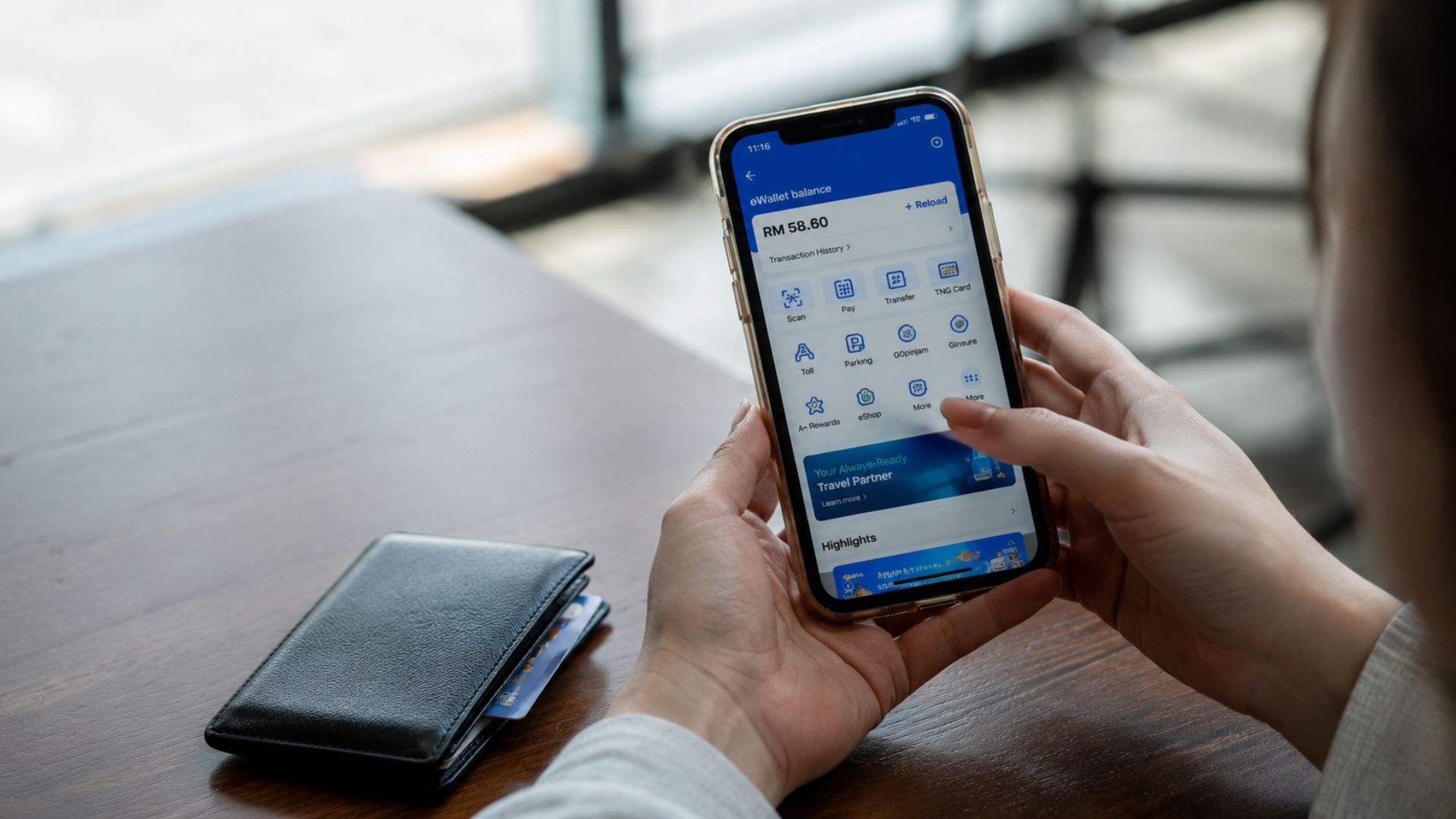







TNG Digital has discontinued debit card-linked Auto Reload and Quick Payment on its TNG eWallet platform effective May 13, 2026, following a reliability review that began in mid-April. The decision permanently removes two automated funding features that allowed users to top up or transact seamlessly without manual intervention when wallet balances ran low.
Key Facts At A Glance
- TNG Digital confirmed the permanent removal of debit card Auto Reload and Quick Payment features effective May 13, 2026
- The features had been under maintenance since mid-April 2026 following a review of transaction performance and reliability
- Credit card-linked Auto Reload and Quick Payment are unaffected by the change
- Debit cards remain usable for one-time manual reloads through the TNG eWallet app
- Alternative funding methods include DuitNow Transfer, credit cards, and reload PINs
- Malaysian-issued credit card reloads attract a 1% convenience fee; non-Malaysian cards attract up to 2.6%
- DuitNow Transfer and debit card manual reloads remain free of charge
A Platform Decision Rooted In Reliability
TNG Digital, operator of one of Malaysia’s most widely used e-wallets, announced the permanent discontinuation of debit card Auto Reload and Quick Payment features on its TNG eWallet beginning May 13, 2026. The company confirmed to technology media outlet SoyaCincau that both features had been placed under maintenance from mid-April as part of a review of transaction performance. Following that evaluation, TNG Digital concluded that reinstating debit card support for these automated features was not viable, citing a need to deliver a more stable payment experience.
Auto Reload is a function that automatically tops up a user’s eWallet balance when it falls below a set threshold, particularly relevant for highway toll payments via PayDirect and the TNG RFID system. Quick Payment similarly triggers a reload just sufficient to complete a transaction when the wallet holds insufficient funds. The removal of these two features from debit card users affects a segment of TNG eWallet’s user base that preferred debit-linked automation over credit card-based equivalents.
Users relying on debit card Auto Reload for daily toll payments face the most immediate disruption. Reports noted that prior to the maintenance suspension, some users experienced failed reload attempts that caused complications at toll plazas when Auto Reload did not trigger as expected. TNG Digital has an SOS Balance feature as a fallback that allows users to pass through toll plazas with insufficient balance, subject to settlement within 24 hours.
What Changes And What Remains Available
Credit card users retain full Auto Reload and Quick Payment functionality without modification. Debit cards continue to work for manual reloads, meaning users can still top up their eWallet directly, but must do so proactively rather than relying on automatic triggers. DuitNow Transfer, reload PINs, and manual debit card reloads all remain available and free of charge for Malaysian-issued instruments.
Users who migrate from debit Auto Reload to credit card Auto Reload will incur a 1% convenience fee on each Malaysian-issued card reload. For non-Malaysian issued cards, the convenience fee rises to up to 2.6% of the reload amount. This fee structure introduces a recurring cost for users who previously funded their wallets via debit card at no charge.
The change does not affect the broader use of TNG eWallet for QR payments, highway toll payments, transit, or other in-app services. TNG Digital did not disclose the specific transaction failure rates that prompted the reliability review or the proportion of its user base that relied on debit card Auto Reload.
Context Within Malaysia’s E-Wallet Landscape
TNG Digital operates one of the highest-penetration e-wallets in Malaysia, with significant usage tied to highway toll payments under the national Touch ‘n Go card and eWallet ecosystem. The removal of debit card automation adds friction for a segment of users who may not hold credit cards or prefer not to incur the associated convenience fee. The change could accelerate migration toward DuitNow Transfer as the preferred free top-up method, potentially increasing transaction volumes on PayNet’s DuitNow infrastructure.
The timing coincides with a broader expansion of TNG eWallet’s PayDirect capability on Malaysian highways. The West Coast Expressway became the first end-to-end interstate highway to support PayDirect fully from May 1, 2026, with PLUS highways also directed to accelerate their rollout of the feature. This expansion increases the operational dependency on reliable eWallet funding methods precisely as debit card automation is removed.